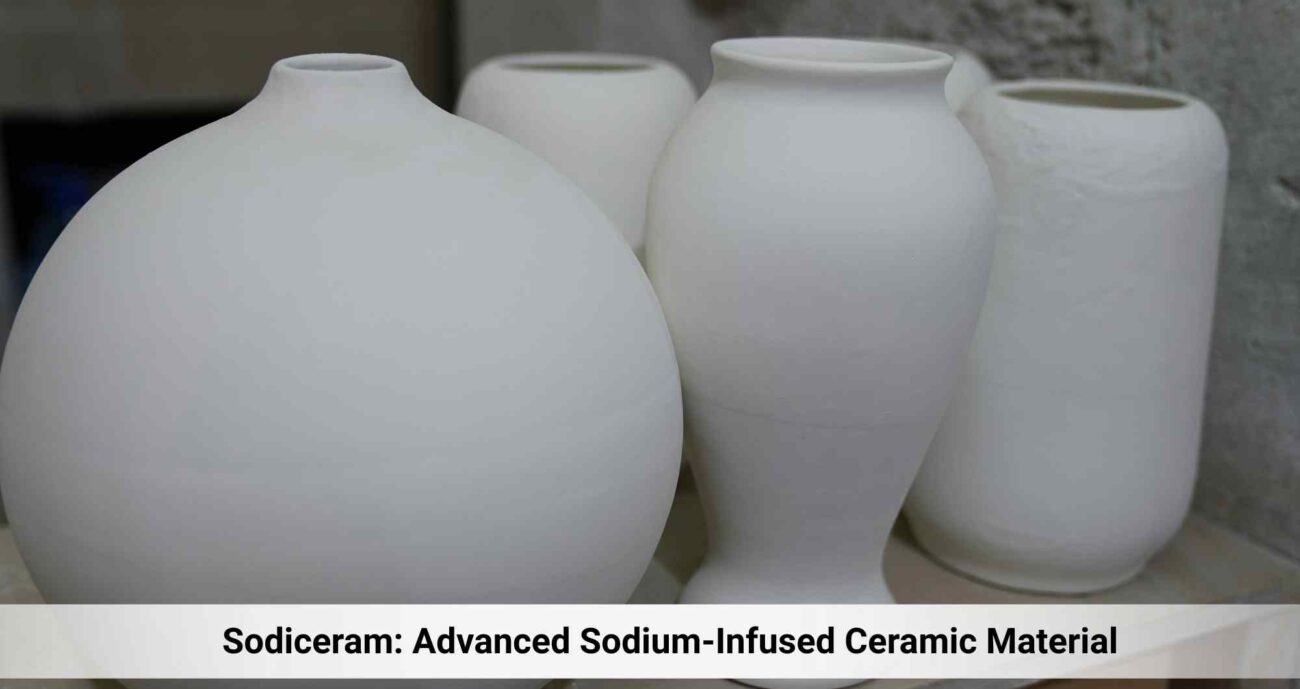
Sodiceram is revolutionizing the world of ceramics, offering a unique blend of performance and sustainability. This advanced sodium-infused ceramic material has captured the attention of industries ranging from construction to art. With its remarkable properties and versatility, Sodiceram stands out as a game-changer in both functional and aesthetic applications.
As we delve deeper into what makes Sodiceram so special, you’ll discover its rich history, key features, and potential uses that span various fields. Whether you’re an architect seeking innovative building materials or an artist looking for new creative mediums, understanding Sodiceram could open up exciting possibilities for your projects. Join us as we explore this groundbreaking material and uncover why it matters in today’s fast-evolving landscape.
What Is Sodiceram?
Sodiceram is an advanced ceramic material infused with sodium, known for its exceptional properties and versatility. This innovative composite combines the durability of traditional ceramics with enhanced performance characteristics that make it suitable for a wide range of applications.
The infusion of sodium into the ceramic matrix alters its structure at the molecular level, resulting in improved mechanical strength and thermal stability. These enhancements enable Sodiceram to withstand extreme conditions often faced in industrial settings.
One unique aspect of Sodiceram is its ability to retain heat effectively, making it ideal for use in environments where temperature regulation is crucial. Its lightweight nature also contributes to easier handling and installation compared to conventional materials.
Sodiceram’s aesthetic appeal cannot be overlooked either; it can be manufactured in various colors and finishes, allowing designers greater creative freedom. This adaptability makes it popular not only for industrial uses but also for architectural and decorative purposes.
As industries continue to evolve, Sodiceram stands out as a forward-thinking solution that addresses both functional requirements and environmental concerns. Its potential impacts are vast, inviting further exploration into its capabilities across different fields.
History and Development of Sodiceram
Sodiceram represents a significant advancement in ceramic technology, rooted in both scientific research and practical application. The journey began in the late 20th century when material scientists sought to enhance traditional ceramics’ performance characteristics. They experimented with sodium infusion techniques that would ultimately lead to the creation of this innovative material.
Early development focused on improving thermal stability and mechanical strength. Researchers discovered that incorporating sodium ions into ceramic matrices could impart unique properties, enhancing durability while reducing brittleness. This breakthrough opened new avenues for various industries reliant on high-performance materials.
By the early 2000s, manufacturers began producing commercial-grade Sodiceram products, allowing for broader testing and evaluation across multiple sectors. Initial applications were primarily within industrial settings where resistance to extreme conditions was crucial.
As interest grew, so did investment in R&D aimed at refining production methods and expanding potential uses. Collaborations between universities and industry leaders accelerated advancements, paving the way for improved formulas tailored to specific requirements.
Today, Sodiceram stands as a testament to innovation-driven progress in materials science. Its ongoing evolution reflects not only technological growth but also an increasing demand for sustainable solutions across different fields.
Key Properties of Sodiceram
Sodiceram is notable for its unique blend of properties that set it apart from traditional ceramics. Its sodium infusion enhances durability and strength, making it resistant to cracking and breaking under stress. This resilience allows Sodiceram to be used in a variety of demanding environments.
Another key property is its exceptional thermal stability. Sodiceram can withstand high temperatures without losing integrity or performance. This makes it particularly valuable in industrial applications where extreme heat exposure is common.
Additionally, this advanced material boasts low thermal conductivity. This means that while it can resist high temperatures, it does not easily transfer heat through its structure. It helps maintain temperature control in various settings, improving energy efficiency.
Sodiceram also features excellent chemical resistance. It does not react with many chemicals commonly found in industrial processes or household products. This quality ensures longevity and reliability in diverse applications.
The aesthetic versatility of Sodiceram cannot be overlooked. Available in various colors and finishes, it offers designers flexibility without compromising performance qualities essential for functional uses.
Industrial Applications of Sodiceram
Sodiceram is making waves in various industrial sectors due to its unique properties. Its exceptional strength and thermal stability make it ideal for high-performance applications. Industries such as aerospace are utilizing Sodiceram for engine components that require materials capable of withstanding extreme conditions.
Manufacturing processes have also seen a significant shift with the integration of Sodiceram. It can be used in molds and dies, providing durability while minimizing wear over time. This translates into lower maintenance costs and increased productivity for manufacturers.
The chemical resistance of Sodiceram allows it to thrive in harsh environments where traditional ceramics might fail. In the chemical industry, it serves as linings or coatings for reactors and storage tanks, ensuring longevity against corrosive substances.
Electronics is another sector benefiting from this advanced material. Sodiceram’s insulating properties lend themselves well to capacitors, insulators, and substrates used in electronic devices, enhancing performance without compromising safety.
The energy sector finds value in using Sodiceram for turbine blades within power generation systems. The ability to withstand high temperatures while maintaining structural integrity makes it an excellent choice for maximizing efficiency and output.
Architectural and Decorative Uses
Sodiceram has become a favorite among architects and designers for its versatility in various applications. Its sleek aesthetic lends itself well to modern architectural projects, providing both form and function. Whether used as tiles or cladding, Sodiceram offers an elegant finish that enhances any structure.
One of the standout features of this material is its ability to mimic natural stone while remaining lightweight. This quality makes it ideal for facades that require visual appeal without compromising on structural integrity. Designers can create stunning exteriors that stand out in urban landscapes using Sodiceram.
Indoors, Sodiceram shines as well. It can be incorporated into countertops, sinks, and flooring options, delivering durability along with refined aesthetics. The variety of colors and textures available allows for endless customization possibilities.
In addition to its practical uses, Sodiceram also serves decorative purposes in art installations and unique sculptures. Artists appreciate its malleability when designing one-of-a-kind pieces infused with contemporary flair.
The combination of beauty and resilience ensures that structures featuring Sodiceram remain timeless yet forward-thinking within the ever-evolving world of architecture and design.
Advantages Over Traditional Ceramics
Sodiceram offers several advantages over traditional ceramics that make it a game changer in various industries. One key benefit is its enhanced durability. The sodium infusion process strengthens the material, making it less prone to cracking and chipping compared to standard ceramic options.
Another significant advantage is the improved thermal resistance of Sodiceram. It can withstand high temperatures without losing structural integrity, which makes it ideal for applications in environments where heat exposure is common. This property also translates into better energy efficiency in heating applications.
Sodiceram’s lower weight relative to traditional ceramic materials enhances its handling and installation experiences. This characteristic reduces transportation costs and allows easier manipulation during construction or manufacturing processes.
Additionally, this advanced material offers greater design versatility. With Sodiceram, manufacturers can create intricate shapes and patterns that were challenging with conventional ceramics due to their brittleness.
The sustainability aspect sets Sodiceram apart from traditional options. Its production often requires fewer raw materials and generates less waste, aligning well with environmentally-friendly practices promoted across industries today.
Thermal and Mechanical Performance
Sodiceram exhibits exceptional thermal performance, making it a standout choice for various applications. Its unique sodium-infused formulation allows it to withstand extreme temperatures without compromising structural integrity. This property is particularly beneficial in industries that require materials to endure high heat, such as aerospace and manufacturing.
Mechanical performance is another area where Sodiceram excels. It showcases remarkable strength and durability compared to traditional ceramics. The sodium infusion enhances its toughness, reducing the likelihood of cracking or breaking under stress. This feature makes it ideal for components subjected to heavy loads.
Moreover, Sodiceram has excellent resistance to thermal shock. Rapid temperature changes can often lead to material failure in conventional ceramics; however, this advanced material manages these fluctuations effectively. As a result, it maintains its form even when exposed to abrupt cooling or heating processes.
The lightweight nature of Sodiceram also plays a significant role in its mechanical efficiency. By minimizing weight while maintaining strength, engineers can design more efficient systems without sacrificing quality or safety standards.
These properties combined make Sodiceram an attractive option for those looking for superior thermal and mechanical solutions across multiple sectors.
Environmental and Sustainability Aspects
Sodiceram stands out not only for its innovative properties but also for its environmental benefits. The production of this advanced sodium-infused ceramic material involves less energy compared to traditional ceramics, making it a more sustainable option.
The raw materials used in Sodiceram are often sourced from abundant natural resources. This reduces the reliance on non-renewable materials and minimizes ecological impacts during extraction and manufacturing processes.
Sodiceram’s durability further enhances its sustainability credentials. Long-lasting products reduce the frequency of replacements, leading to lower waste generation over time. This contributes positively to circular economy principles.
Additionally, Sodiceram can be recycled at the end of its life cycle, allowing for a second use in various applications. This feature significantly decreases landfill contributions and promotes responsible consumption patterns.
Many manufacturers adopting Sodiceram are committed to eco-friendly practices throughout their supply chains. These initiatives align with global efforts toward reducing carbon footprints and promoting green technologies within industry sectors.
Tips for Working With Sodiceram
When working with Sodiceram, preparation is key. Always ensure your workspace is clean and organized. A clutter-free environment will help you focus on the intricate details of your project.
Proper tools are essential for handling this advanced material. Use high-quality cutting equipment to achieve precise shapes without chipping or damaging the surface. Specialized diamond blades can make a significant difference in achieving smooth edges.
Sodiceram requires specific firing conditions due to its unique composition. Follow manufacturer guidelines regarding temperature settings and heating times closely. This will ensure optimal performance and prevent defects during production.
During installation, consider using specialized adhesives designed for ceramic materials like Sodiceram. These adhesives enhance bonding strength and durability, ensuring that your installations remain intact over time.
Always wear appropriate protective gear when working with Sodiceram dust or shards. Safety goggles and masks can protect against potential hazards during cutting or shaping processes, making your work experience safer and more enjoyable.
Future Innovations and Trends
The future of Sodiceram is bright, with ongoing research and innovation driving its capabilities. As industries demand more versatile materials, advancements in sodium-infused technology will likely enhance the performance characteristics of Sodiceram even further.
One promising trend is the integration of smart technology into sodiceramic products. Future iterations may allow for real-time monitoring of temperature or structural integrity. This could revolutionize how we interact with ceramic materials in various applications.
Sustainable practices are also becoming a focal point for future developments in Sodiceram. Manufacturers are exploring eco-friendly raw materials and processes that minimize environmental impact. This aligns perfectly with global sustainability initiatives.
Another exciting area is customization. Advances in 3D printing technology could enable tailored designs and properties specific to user needs, boosting efficiency across multiple sectors such as construction and consumer goods.
Collaborations between material scientists and architects might yield innovative architectural solutions using Sodiceram. The fusion of aesthetics with advanced functionality can redefine modern design paradigms while maintaining durability and sustainability standards.
Conclusion: Why Sodiceram Matters
Sodiceram represents a significant advancement in ceramic technology. Its unique sodium-infused composition offers enhanced properties that meet the demands of various industries. As manufacturers and designers increasingly seek materials with superior performance, Sodiceram stands out due to its remarkable thermal stability and strength.
The environmental benefits of Sodiceram also cannot be overlooked. With sustainability becoming paramount, this innovative material supports eco-friendly practices in both industrial applications and architecture. Its longevity ensures reduced waste over time, making it a responsible choice for conscientious builders and consumers alike.
Emerging trends indicate that as research continues, we will likely see even broader uses for Sodiceram across different sectors. The versatility of this advanced material promises exciting possibilities in creative design solutions while maintaining high-performance standards.
Understanding why Sodiceram matters is fundamental for those interested in modern materials science. It embodies the future of ceramics—where innovation meets practicality—and plays a crucial role in shaping sustainable building practices moving forward. Embracing Sodiceram means embracing progress toward smarter construction methods that prioritize efficiency without compromising quality or aesthetics.
