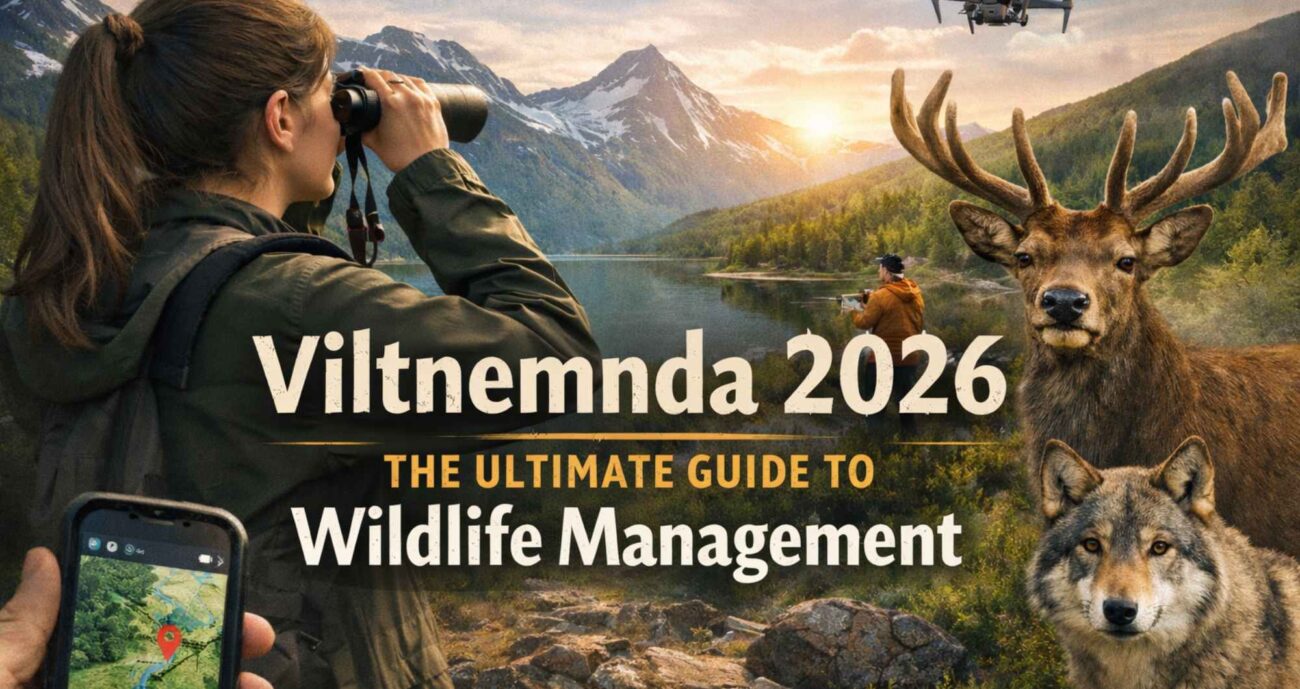
Imagine a future where humans coexist harmoniously with wildlife, where urban development doesn’t come at the cost of animal habitats. That’s what Viltnemnda seeks to accomplish. From committees working on strategic initiatives to technology-driven solutions for monitoring populations, this guide will take you through everything you need to know about Viltnemnda 2026.
Join us as we explore how this multifaceted program can redefine our relationship with nature, protect vulnerable species, and contribute significantly to effective wildlife management in Norway. Whether you’re an environmental enthusiast or simply curious about how these systems work, there’s something here for everyone!
What is Viltnemnda?
At its core, Viltnemnda aims to strike a balance between conservation efforts and community needs. Each committee operates at the local level, allowing it to address specific challenges unique to its region. This localized focus enables more effective decision-making tailored to each area’s ecological characteristics.
The committees comprise various stakeholders, including government officials, ecologists, hunters, and local residents. Their diverse backgrounds foster collaboration as they combine traditional knowledge with scientific research. Such teamwork is essential for crafting strategies that are both practical and grounded in sound ecological principles.
Moreover, Viltnemnda emphasizes transparency in its processes. Public consultations help incorporate community input into wildlife management plans. This engagement not only builds trust but also ensures that the perspectives of those living near wildlife habitats are considered in decision-making.
As challenges such as habitat loss and climate change intensify, Viltnemnda continually adapts by integrating new information and techniques into its framework. The result? A robust system designed not just for current issues but also for future generations as they navigate the complexities of wildlife management in Norway.
Key Objectives of Viltnemnda 2026
One primary objective is the preservation of biodiversity. By protecting various species and their habitats, Viltnemnda seeks to maintain ecological balance. This involves monitoring populations and implementing strategies that promote healthy ecosystems.
Another significant goal is to enhance community involvement in wildlife conservation efforts. Engaging local residents fosters a sense of stewardship for nature, making them active participants in wildlife management decision-making.
Education plays a pivotal role within these objectives as well. Raising awareness about the importance of wildlife conservation helps build public support for necessary policies and regulations. Workshops, outreach programs, and educational materials serve as tools for spreading knowledge.
Viltnemnda 2026 emphasizes data-driven approaches to decision-making. Using scientific research and technological advancements ensures that policies are effective and adaptable over time. This commitment to evidence-based management will be vital for addressing future challenges in wildlife conservation.
Structure and Functioning of Viltnemnda Committees
Committees operate at different levels—municipal, regional, and national—each playing a crucial role in decision-making processes. Local committees focus on immediate concerns within their communities while regional bodies tackle broader ecological challenges affecting larger areas. National oversight helps maintain consistency across the country’s wildlife management efforts.
Meetings typically feature discussions centered around current wildlife populations, habitat conditions, and hunting regulations. Committees also gather data through public consultations and surveys to inform their decisions effectively. Engaging with local communities fosters transparency and builds trust between stakeholders.
Another significant aspect of these committees is their adaptability to changing circumstances. As new research emerges or environmental factors shift, they can modify plans accordingly. This flexibility allows for proactive rather than reactive approaches to wildlife management.
Through collaboration and adaptive strategies, Viltnemnda committees serve as vital hubs for effective communication regarding wildlife conservation efforts in Norway.
How Viltnemnda Contributes to Effective Wildlife Management
One key contribution is fostering collaboration among stakeholders. Local communities, government agencies, and conservationists come together to share knowledge and strategies. This teamwork enriches discussions on wildlife issues, enhancing decision-making.
Furthermore, Viltnemnda sets specific quotas for hunting seasons based on population studies. These data-driven decisions help regulate animal populations effectively. By controlling over- or underpopulation, they contribute to healthier ecosystems.
Education also forms a core aspect of their approach. Through workshops and outreach programs, Viltnemnda raises awareness about local wildlife challenges and promotes responsible practices among residents. This educational effort empowers individuals to take an active part in conservation initiatives.
Monitoring biodiversity remains crucial within this framework. Regular assessments of species health allow for timely interventions when needed. Such proactive measures not only sustain wildlife but also protect habitats vital for future generations.
Key Strategies for Wildlife Conservation in 2026
Habitat restoration is another critical strategy. By rehabilitating ecosystems damaged by human activity, we can create safe havens for endangered species. Planting native vegetation and removing invasive species are essential steps in this process.
Education and awareness campaigns will also play a vital role. Informing the public about wildlife conservation’s benefits sparks interest and encourages responsible behaviors towards nature. Schools, community centers, and online platforms can serve as venues for these initiatives.
Technology will also be key in monitoring wildlife populations and their habitats. Drones equipped with cameras provide real-time data on animal movements, while GPS tracking enables researchers to efficiently study migration patterns. These innovations enhance our ability to respond quickly to emerging threats.
Legislation supporting stricter protections for vulnerable species cannot be overlooked. Stronger laws coupled with effective enforcement ensure that illegal hunting or habitat destruction faces consequences—ultimately leading to healthier ecosystems across Norway.
The Role of Technology in Viltnemnda’s Wildlife Management Plans
Smart collars fitted on various species help track their behavior and migration patterns. Such devices gather valuable data that researchers analyze for trends affecting wildlife health and population dynamics. By utilizing this technology, Viltnemnda can make informed decisions about conservation strategies based on tangible evidence.
Remote sensing technologies also contribute significantly to monitoring environmental changes impacting wildlife. Satellite imagery enables the assessment of land-use changes, deforestation rates, and habitat fragmentation over time. Understanding these shifts is crucial to effective planning within Viltnemnda’s objectives.
Moreover, community engagement is enhanced through mobile applications that allow citizen scientists to report sightings or unusual behaviors in local wildlife populations. This collaborative approach not only increases awareness but also enriches the dataset available for analysis.
Artificial intelligence (AI) tools help predict potential human-wildlife conflicts by analyzing historical data alongside current trends. By anticipating challenges before they escalate, Viltnemnda can implement proactive measures ensuring both biodiversity preservation and community safety.
Impact of Viltnemnda 2026 on Local Communities and Ecosystems
Communities benefit economically from eco-tourism initiatives linked to healthy wildlife populations. As visitors flock to experience Norway’s rich biodiversity, businesses thrive, creating jobs and stimulating local economies. This economic uplift fosters pride among residents, who become stewards of their natural heritage.
Ecosystem health also sees notable improvement under Viltnemnda’s guidance. The committees’ focus on balanced predator-prey dynamics helps maintain species diversity within habitats. Healthy ecosystems provide essential services such as clean water, soil fertility, and carbon storage—all crucial for sustaining life.
Viltnemnda initiatives encourage collaboration across various stakeholders, including farmers, landowners, and environmental organizations. These partnerships lead to innovative solutions that address human-wildlife conflicts while preserving ecological integrity.
Furthermore, educational programs developed by Viltnemnda foster a sense of responsibility toward wildlife among younger generations. By instilling conservation values early, the long-term sustainability of both communities and ecosystems is ensured through active participation in responsible stewardship practices.
Challenges Faced by Viltnemnda 2026
Another challenge lies in the complexity of species interactions within ecosystems. Understanding these relationships requires extensive research and resources. With limited funding and manpower, it is difficult to conduct comprehensive studies that effectively inform decision-making.
Climate change also poses a significant threat to Viltnemnda’s initiatives. Altered weather patterns affect animal migration, breeding cycles, and food availability. Adapting management strategies to accommodate these changes demands flexibility and foresight, which may not always be possible under current constraints.
Public perception can further complicate Viltnemnda 2026’s efforts. Misunderstandings about wildlife management practices often lead to resistance from community members who feel disconnected from conservation efforts or fear negative impacts on their livelihoods.
Collaboration among various stakeholders presents its own set of hurdles. Different agencies have distinct priorities and agendas regarding land use and resource allocation. Harmonizing these viewpoints into a cohesive strategy remains an ongoing challenge for Viltnemnda as it strives for sustainable solutions in an ever-evolving landscape.
Future of Viltnemnda: What’s Next for Wildlife Management in Norway?
Collaboration with local communities will be paramount. Engaging citizens fosters a sense of ownership and responsibility toward wildlife conservation efforts. Educational initiatives can empower individuals, making them integral partners in the mission.
Furthermore, technological advancements promise to enhance monitoring systems. Tools such as drones and artificial intelligence may revolutionize how data is collected and analyzed, leading to more informed decisions about wildlife management strategies.
Anticipating climate shifts will also be critical for Viltnemnda’s approach moving forward. Proactive measures must address the effects of global warming on habitats and migratory patterns while ensuring species resilience remains a priority.
As these developments unfold, continuous assessment will guide adjustments in policies and strategies—ensuring they remain effective amidst evolving landscapes. The trajectory ahead suggests a dynamic interplay between tradition and innovation within Viltnemnda’s framework for sustainable wildlife stewardship across Norway’s diverse ecosystems.
