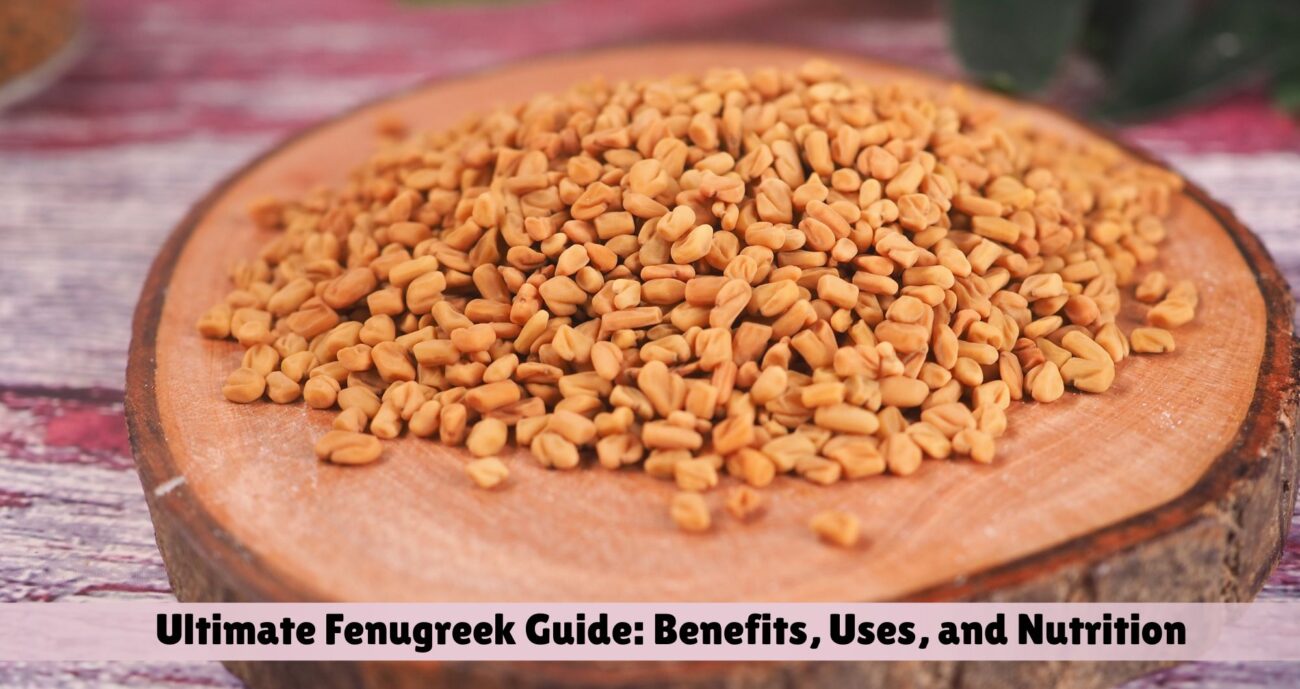
Ultimate Fenugreek Guide: Benefits, Uses, and Nutrition
Fenugreek, known as “foenegriek” in Dutch, is more than just a spice; it’s a powerhouse of health benefits and culinary versatility. This ancient herb has been cherished across continents for centuries, finding its place in kitchens and medicine cabinets alike. With its distinctive aroma and slightly bitter taste, fenugreek seeds are both an essential ingredient in various cuisines and a natural remedy celebrated for their numerous health advantages.
But what exactly makes foenegriek so special? From improving digestion to aiding blood sugar control, the uses of this humble plant are vast. Whether you’re new to fenugreek or looking to deepen your appreciation for it, our ultimate guide will unravel everything you need to know about this remarkable herb—from its history and nutritional profile to how best to incorporate it into your daily diet. Get ready to discover the many facets of fenugreek that can enhance your well-being while tantalizing your taste buds!
What Is Fenugreek and Why It Is Used Worldwide
Fenugreek, or foenegriek, is a flowering plant belonging to the legume family. Native to regions spanning from Europe to Asia and North Africa, it has been cultivated for thousands of years. The seeds and leaves are primarily used for culinary purposes but hold significant medicinal value as well.
Known for its distinctive flavor profile, fenugreek seeds have a slightly bitter taste that can add depth to various dishes. They are commonly found in spice blends such as curry powder and garam masala. Fenugreek leaves can be utilized fresh or dried in salads, soups, and stews.
Globally recognized for its health benefits, this herb supports digestion and metabolism while also aiding blood sugar regulation. Its high concentration of antioxidants makes it an appealing choice among natural remedies.
The versatility of foenegriek allows it to be embraced by different cultures around the world—from Indian cuisine’s fragrant curries to Mediterranean dishes featuring tangy sauces. With its rich history and array of uses, it’s no wonder fenugreek remains a staple ingredient valued across continents.
The History and Origin of Fenugreek
Fenugreek, known as foenegriek in Dutch, has a rich history that dates back thousands of years. Originating from the eastern Mediterranean and western Asia, this herb has been cultivated for its culinary and medicinal properties since ancient times. Evidence suggests that fenugreek was used in Egyptian tombs dating back to 1500 BCE, indicating its importance in early civilizations.
In addition to its use in cooking, fenugreek played a significant role in traditional medicine across cultures. Ancient Greeks utilized it for various ailments while Ayurvedic practitioners have long revered it for promoting health and wellness. The seeds were often ground into powder or infused into teas to harness their benefits.
As trade routes expanded, the popularity of fenugreek spread beyond its native regions. Today, you can find it featured prominently in Indian cuisine as well as Middle Eastern dishes. Its unique flavor profile makes it a staple ingredient in spice blends like curry.
Throughout history, foenegriek has not only served practical uses but also held cultural significance. Its journey from ancient lands to modern kitchens showcases the enduring appeal of this remarkable plant.
Botanical Characteristics of the Fenugreek Plant
Fenugreek, scientifically known as Trigonella foenum-graecum, is an annual herb that belongs to the Fabaceae family. This plant thrives in warm climates and is commonly found in regions of Europe, Asia, and North Africa. It typically grows up to 2 feet tall and features distinctive trifoliate leaves, which consist of three small leaflets each.
The flowers of fenugreek are small and white or yellowish in color, often appearing in clusters along upright stems. These delicate blooms give way to pods containing seeds that are flat and somewhat curved. Each pod usually holds two to twenty seeds that vary from golden yellow to brownish hues.
Fenugreek’s unique scent comes from its natural compounds called saponins and alkaloids. The aroma becomes more potent when the seeds are crushed or ground into powder form. This characteristic fragrance makes fenugreek a sought-after ingredient for culinary uses worldwide.
The plant prefers well-drained soils with plenty of sunlight for optimal growth. Its resilience allows it to flourish in different soil types while contributing valuable nutrients back into the earth through nitrogen-fixing properties.
Nutritional Value of Fenugreek Seeds and Leaves
Fenugreek, or foenegriek, is not just a flavorful addition to dishes; it also boasts an impressive nutritional profile. Both the seeds and leaves are rich in essential vitamins and minerals that contribute to overall health. These include vitamins A, C, and K, as well as several B-vitamins that play crucial roles in energy metabolism.
The mineral content of fenugreek is equally noteworthy. It contains iron, magnesium, phosphorus, potassium, and calcium. Iron supports red blood cell production while magnesium contributes to muscle function and bone health. The balance of these nutrients makes fenugreek particularly beneficial for those looking to boost their nutrient intake naturally.
In terms of fiber content, fenugreek seeds provide soluble fiber which aids digestion and helps maintain healthy cholesterol levels. This dietary fiber can promote feelings of fullness too—making it a popular choice for weight management strategies.
Both the seeds and leaves are low in calories yet packed with antioxidants. These compounds help combat oxidative stress within the body—a factor linked to numerous chronic conditions such as heart disease and diabetes. Incorporating foenegriek into your meals offers a tasty way to enhance your diet’s nutritional value without added calories.
Major Health Benefits of Fenugreek
Fenugreek, or foenegriek, is packed with health benefits that have drawn attention from both traditional and modern medicine. One of its most notable advantages is its ability to aid in managing blood sugar levels. Studies suggest that fenugreek may improve insulin sensitivity, making it a valuable supplement for those dealing with diabetes.
Additionally, fenugreek seeds are rich in soluble fiber, which can help reduce cholesterol levels. This property supports heart health by promoting better cardiovascular function and decreasing the risk of heart disease. Regular consumption may lead to lower LDL cholesterol while boosting HDL levels.
Another significant benefit lies in its anti-inflammatory properties. Fenugreek contains antioxidants that combat oxidative stress and inflammation within the body. This makes it potentially helpful for conditions like arthritis where inflammation plays a key role.
Moreover, fenugreek has been shown to enhance lactation in nursing mothers. Its galactagogue properties stimulate milk production, providing important nutrients for breastfeeding infants while supporting maternal health during this crucial period.
How Fenugreek Supports Digestion and Metabolism
Fenugreek, or foenegriek, is renowned for its digestive benefits. The seeds contain a high amount of soluble fiber, which promotes regular bowel movements and helps alleviate constipation. This fiber acts as a bulking agent in the intestines, softening stool and making it easier to pass. As a result, incorporating fenugreek into your diet can lead to improved gastrointestinal health.
Beyond aiding digestion, fenugreek plays an essential role in metabolism regulation. It has been shown to enhance metabolic rate by stimulating insulin activity in the body. This process aids in converting glucose into energy more efficiently, helping maintain stable blood sugar levels.
Additionally, fenugreek’s ability to reduce bloating and gas makes it a valuable ally for those suffering from digestive discomforts. Its natural compounds work synergistically to soothe the gastrointestinal tract and mitigate inflammation.
Some studies suggest that foenegriek may assist with weight management as well. By promoting satiety through its high fiber content, it helps curb unnecessary snacking and supports healthier eating habits overall.
Fenugreek for Blood Sugar and Heart Health
Fenugreek has gained attention for its potential benefits in managing blood sugar levels. Several studies suggest that foenegriek may help improve insulin sensitivity, making it a valuable ally for those with diabetes or prediabetes. The soluble fiber found in fenugreek seeds helps slow down the absorption of carbohydrates, which can prevent spikes in blood glucose after meals.
In addition to its role in blood sugar management, fenugreek is also believed to promote heart health. Its antioxidant properties contribute to reducing inflammation and oxidative stress, factors linked to various cardiovascular diseases. The seeds contain compounds that may lower cholesterol levels and improve overall lipid profiles.
Furthermore, fenugreek has been shown to enhance circulation by dilating blood vessels, potentially lowering hypertension risks. This dual action—supporting both healthy blood sugar levels and heart function—makes foenegriek an attractive option for holistic health enthusiasts.
Incorporating fenugreek into your diet could benefit not just metabolic health but also cardiovascular wellness. As research continues to explore these connections, many people are finding new ways to enjoy this remarkable herb as part of their daily routine.
Culinary Uses of Fenugreek in Different Cuisines
Fenugreek is a versatile ingredient found in various culinary traditions around the world. In Indian cuisine, it plays a crucial role in dishes like curry and dal. The seeds are often roasted to enhance their nutty flavor, while fresh fenugreek leaves, known as methi, add a unique taste to breads like parathas and puris.
Middle Eastern cooking also embraces fenugreek. It’s commonly used in spice blends such as za’atar and can be found in stews or served alongside meats for added depth of flavor. Its slightly bitter notes balance rich dishes beautifully.
In Ethiopian cuisine, fenugreek seeds are essential in berbere spice mix, which adds warmth and complexity to many traditional meals. Dishes like doro wat (spicy chicken stew) showcase how integral this ingredient can be for vibrant flavors.
Even Western cuisines have started experimenting with fenugreek’s potential. From salads sprinkled with dried leaves to artisanal bread infused with seed powder, its unique profile opens up exciting culinary possibilities across diverse gastronomies.
Traditional and Medicinal Uses of Fenugreek
Fenugreek has a long-standing place in traditional medicine across various cultures. Ancient Egyptians used it for its healing properties, while Ayurvedic practitioners have valued it for thousands of years to treat ailments such as digestive issues and respiratory conditions. Its seeds are often brewed into teas or ground into powders for medicinal remedies.
In many Middle Eastern countries, fenugreek is included in home remedies aimed at easing inflammation and promoting lactation in nursing mothers. The seeds are believed to stimulate milk production due to their phytoestrogen content, making them popular among breastfeeding women seeking natural support.
Additionally, fenugreek has been explored in Western herbal medicine for its potential effects on blood sugar regulation. Some studies suggest that the soluble fiber found in fenugreek can help manage diabetes by improving insulin sensitivity and lowering blood glucose levels.
The plant’s leaves and seeds possess antioxidant properties that may aid in reducing oxidative stress within the body. This makes fenugreek a valuable herb not just for culinary purposes but also as an integral part of holistic health practices around the world.
Different Forms of Fenugreek: Seeds, Powder, and Leaves
Fenugreek is a versatile herb that comes in various forms, each offering unique benefits and uses. The most popular form is fenugreek seeds, small yellowish-brown seeds packed with flavor and nutrients. These seeds can be used whole or toasted to enhance their nutty aroma, making them a common ingredient in spice blends.
Another widely used form of fenugreek is powdered fenugreek. This ground version is easier to incorporate into dishes like curries, soups, and smoothies. It provides the same health benefits as the seeds but offers a more convenient option for those looking to add it to their meals quickly.
Fenugreek leaves are another delightful variant often used fresh or dried. Known as “methi” in many cultures, these tender greens boast a slightly bitter taste that complements various dishes. They are particularly popular in Indian cuisine and can be added to stews or sautéed lightly for salads.
Each form of foenegriek brings its own character while contributing essential nutrients such as fiber, vitamins A and C, iron, and magnesium. Whether you prefer seeds, powder, or leaves depends on personal preference and culinary needs.
Potential Side Effects and Safety Considerations of Fenugreek
While fenugreek offers numerous health benefits, it’s essential to be aware of potential side effects and safety considerations. Some individuals may experience gastrointestinal issues such as bloating, gas, or diarrhea after consuming fenugreek. These symptoms can vary in intensity depending on the amount consumed.
Pregnant women should exercise caution with fenugreek. High doses may lead to uterine contractions and could potentially result in miscarriage. It’s advisable for expectant mothers to consult a healthcare professional before incorporating this herb into their diet.
Fenugreek can also interact with certain medications, particularly those related to blood sugar management. If you are taking diabetes medication, monitoring your blood glucose levels is crucial when introducing fenugreek into your routine.
Allergic reactions are another concern for some people. Symptoms might include skin rashes or difficulty breathing after consumption. If you have known allergies to plants in the Fabaceae family, it’s best to approach fenugreek with caution and seek medical advice if needed.
How to Add Fenugreek to Your Daily Diet
Integrating fenugreek into your daily diet can be both enjoyable and beneficial for your health. There are various ways to incorporate this versatile herb into meals, making it easy to reap its advantages.
One of the simplest methods is through fenugreek seeds. You can soak them overnight and consume them in the morning for a nutrient boost. Alternatively, you could add sprouted fenugreek seeds to salads or sandwiches for an added crunch and flavor.
Fenugreek powder is another popular option. It can be sprinkled on soups, stews, or curries to enhance their taste while providing nutritional benefits. For those who enjoy baking, consider adding some fenugreek powder to bread or muffins for a unique twist.
Fresh fenugreek leaves lend themselves well to cooking as well. They can be sautéed with vegetables or included in omelets for breakfast. Additionally, they work wonders when used in dips like hummus or yogurt-based sauces.
For those looking for convenience, many health food stores offer supplements containing concentrated forms of fenugreek extract. These capsules provide an easy way to benefit from its properties without altering your eating habits drastically.
By creatively introducing foenegriek into your meals and snacks, you not only enrich your dishes but also take significant steps toward better health. The versatility of this ancient herb makes it suitable for everyone seeking deliciousness combined with wellness.
