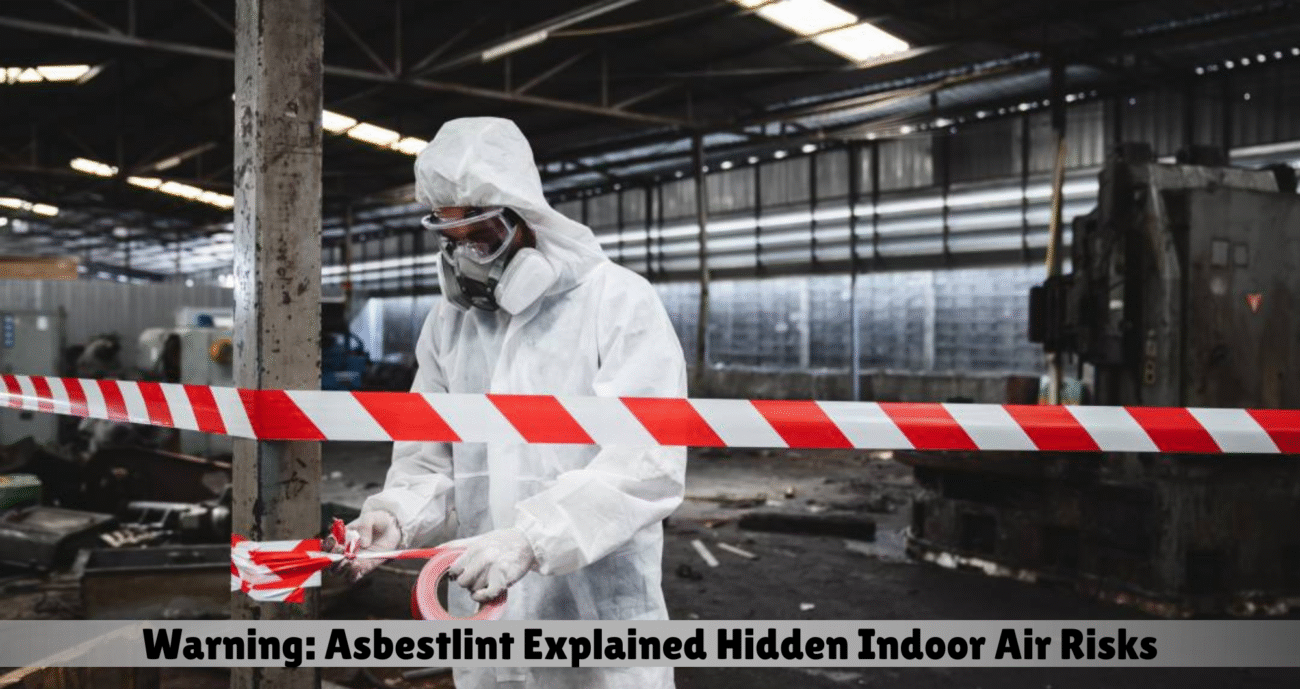
Indoor air quality often takes a backseat in our daily lives, yet it plays a crucial role in our health and well-being. One lesser-known danger lurking within many homes is asbestlint. This notorious substance can pose significant risks to your indoor environment without you even being aware of its presence. Asbestos, once heralded for its fire-resistant properties, has turned out to be a silent threat that can lead to serious health issues if not properly managed.
As we delve into the world of asbestlint, we’ll uncover what it is, how it forms, and why it’s essential for homeowners and renters alike to stay informed about this hidden hazard. Understanding asbestlint is the first step toward ensuring safe living spaces free from harmful toxins. Join us on this journey as we explore common sources of asbestlint, signs that may indicate problems in your home, and effective strategies for reducing risks associated with this hazardous material. Your indoor air quality—and overall health—may depend on it!
What Is Asbestlint and Why It Matters
Asbestlint refers to the fine, airborne fibers released from asbestos-containing materials as they deteriorate. This substance can easily become a part of your indoor air, posing serious health risks when inhaled. Though it may seem like an invisible threat, its effects are far from benign.
The significance of asbestlint lies in its association with various diseases, including lung cancer and mesothelioma. Even minimal exposure over time can lead to severe respiratory issues and long-term health complications. Awareness is key; recognizing potential sources within your environment is crucial for safeguarding yourself and others.
Understanding what asbestlint is helps homeowners take proactive measures in maintaining indoor air quality. By identifying areas where asbestos might be present—like old insulation or ceiling tiles—you can mitigate risks before they escalate into more significant problems that affect both health and safety.
How Asbestlint Forms in Indoor Environments
Asbestlint forms in indoor environments primarily through the deterioration of materials containing asbestos. When these materials age or are disturbed during renovations, tiny fibers can become airborne. This is especially common in older buildings where asbestos was commonly used for insulation, flooring, and ceiling tiles.
Humidity and temperature fluctuations also play a significant role in this process. These conditions can weaken the bonds of asbestos-containing materials, causing them to break down over time. As they disintegrate, microscopic particles may be released into the air we breathe.
Additionally, everyday activities like moving furniture or performing maintenance work can disturb these hazardous materials. Once airborne, asbestlint poses serious risks to those inhabiting the space and underscores the importance of monitoring indoor air quality carefully.
Common Sources That Contribute to Asbestlint
Asbestlint can originate from various sources within indoor environments. One of the most common culprits is older building materials. Homes built before the 1980s often utilized asbestos-containing products, including insulation, floor tiles, and roofing materials.
Another significant source includes deteriorating or disturbed asbestos installations. When these materials are damaged or removed improperly, tiny fibers can be released into the air as asbestlint. This poses a serious risk to occupants who inhale these airborne particles.
Household items such as some types of ceiling tiles and textured paints may also contribute to asbestlint presence in your home. Even repairs or renovations on non-asbestos surfaces can inadvertently disturb hidden sources, leading to increased exposure risks if not handled correctly.
How Asbestlint Affects Indoor Air Quality
Asbestlint can significantly compromise indoor air quality, creating an environment that may be harmful to inhabitants. When disturbed, this fibrous material releases microscopic asbestos fibers into the air. These particles are easily inhaled, posing serious risks to respiratory health.
Poor indoor air quality often manifests as increased dust and allergens. As these fibers circulate within a home, they contribute to respiratory irritation and allergic reactions among sensitive individuals. Even without visible damage or wear on materials containing asbestlint, the potential for airborne contamination remains high.
Moreover, prolonged exposure to poor indoor air quality linked with asbestlint can lead to chronic conditions over time. The effects may not be immediate but can accumulate silently. Maintaining clean and safe breathing environments is vital for long-term health and well-being.
Health Risks Linked to Asbestlint Exposure
Exposure to asbestlint poses significant health risks, primarily due to the inhalation of asbestos fibers. These tiny particles can become airborne when disturbed and easily enter the lungs, leading to serious respiratory issues over time. Chronic exposure has been linked to diseases like asbestosis, a condition characterized by lung scarring that causes severe breathing difficulties.
Moreover, individuals exposed to asbestlint are at an increased risk of developing mesothelioma, a rare but aggressive cancer affecting the lining of the lungs or abdomen. This type of cancer often goes undetected for years before symptoms manifest, making early diagnosis challenging.
Other potential health impacts include lung cancer and various pleural disorders. Symptoms may take decades to emerge after initial exposure, which underscores the importance of proactive measures in identifying and managing asbestlint within indoor environments. Safeguarding against these risks requires vigilance and awareness among homeowners and building occupants alike.
Signs Your Home May Have Asbestlint Issues
Identifying potential asbestlint issues in your home can be crucial for maintaining a safe living environment. Look for signs such as visible damage to materials like plaster, floor tiles, or insulation. If these materials are crumbling or deteriorating, they may release harmful fibers into the air.
Another indicator is unusual dust accumulation in specific areas of your home, particularly around older building materials. This dusty residue could be a sign that asbestlint particles are becoming airborne and affecting indoor air quality.
Pay attention to any unexplained respiratory issues among residents. Symptoms like coughing, wheezing, or shortness of breath may correlate with exposure to asbestos-containing materials. If you notice these warning signs, it’s essential to take action promptly and consult a professional for an assessment.
Asbestlint in Old vs Modern Buildings
Asbestlint is more commonly found in older buildings due to the use of asbestos-containing materials prior to the late 1970s. During that time, builders frequently utilized asbestos for insulation, flooring, and roofing because of its fire-resistant properties. As a result, many homes and commercial spaces constructed before this era may still harbor hidden risks associated with asbestlint.
Modern buildings are generally safer in this regard. Regulations have significantly restricted the use of asbestos materials since those earlier decades. However, some structures built during transitional periods may still contain remnants of asbestlint if renovation or repair work was done using existing hazardous materials.
It’s crucial to recognize that age alone doesn’t determine risk levels when it comes to asbestlint exposure. Regular inspections and awareness can help identify potential issues regardless of a building’s age, ensuring a healthier indoor environment for all occupants.
The Role of Ventilation in Asbestlint Spread
Ventilation plays a crucial role in the spread of asbestlint within indoor environments. Poorly ventilated spaces can trap airborne particles, including asbestos fibers, increasing the risk of exposure. When air circulation is inadequate, these harmful particles settle and accumulate, posing significant health risks to occupants.
On the other hand, effective ventilation helps dilute and remove contaminants from indoor air. Proper airflow allows for the dispersion of asbestlint particles outside while bringing in fresh air from outside sources. This exchange is essential for maintaining good indoor air quality.
However, simply having vents or windows isn’t always enough. The design and maintenance of your ventilation system greatly influence its effectiveness against asbestlint. Regular checks and upgrades ensure that your home remains a safe environment free from hidden dangers like asbestos fibers lurking in the air you breathe.
How to Test and Identify Asbestlint Safely
Testing for asbestlint requires caution and precision. It’s crucial to wear protective gear, including a mask and gloves, to avoid inhaling any fibers during the process. First, identify suspected materials in your home. Common areas include ceiling tiles, insulation, or flooring that may contain asbestos.
To safely collect samples, use a damp cloth to minimize dust dispersal. Cut out small pieces of the material while keeping it moist to prevent airborne particles. Place the sample in a sealed container labeled with the date and location of collection.
Once collected, send your samples to an accredited laboratory for analysis. They will determine if asbestlint is present and provide guidance on next steps based on their findings. Always remember that handling suspected asbestos-containing materials should be approached with care; improper methods can increase health risks significantly.
Effective Ways to Reduce Asbestlint in Your Home
Reducing asbestlint in your home starts with awareness and prevention. Regular inspections are essential, especially if you live in an older property. Identifying areas where asbestlint may accumulate can help you take proactive measures before issues arise.
Maintaining proper ventilation is another key factor. Ensure that your living spaces have adequate airflow to minimize the concentration of airborne particles. Using air purifiers equipped with HEPA filters can also significantly reduce indoor pollutants, including any potential asbestlint.
When undertaking renovations or repairs, prioritize safety by sealing off work areas and using protective gear. Always consult professionals for any suspected asbestos materials instead of attempting a DIY approach, which could inadvertently spread fibers into the air.
Preventing Asbestlint During Renovation Projects
When planning renovation projects, it’s crucial to address asbestlint risks proactively. Before starting any work, conduct a thorough inspection of the property. This includes checking older materials that may contain asbestos, such as insulation, flooring, or ceiling tiles. If you suspect the presence of asbestos, consider hiring a certified professional for testing.
During renovations, always use proper safety equipment and techniques to minimize exposure. Seal off areas where work will take place to prevent dust from spreading throughout your home. Utilize containment measures like plastic sheeting and negative air pressure systems when necessary.
Additionally, ensure proper waste disposal by following local regulations on hazardous materials. Dispose of any asbestos-containing products through licensed professionals who can handle them safely. Taking these precautions during renovations not only protects your health but also safeguards the well-being of anyone working in or around your home.
Professional Removal vs DIY Asbestlint Management
When dealing with asbestlint, the choice between professional removal and DIY management is crucial. Professional services have the training, equipment, and expertise to safely handle asbestos-containing materials. They follow stringent regulations to ensure that the process minimizes exposure risks.
On the other hand, DIY approaches might seem cost-effective but they can pose significant dangers if not done correctly. Untrained individuals may accidentally disturb or release harmful fibers into the air. This can lead to increased health risks for everyone in the vicinity.
Before deciding on a course of action, consider your knowledge of safety protocols and local laws regarding asbestos handling. For most homeowners, hiring professionals is often safer and more efficient than attempting to tackle asbestlint issues alone.
Myths and Facts About Asbestlint Explained
Many myths surround asbestlint, often leading to confusion and misunderstandings. A common misconception is that asbestlint only poses a risk in older buildings. In reality, it can form in various environments regardless of the building’s age. Modern materials may still contain asbestos fibers that could contribute to asbestlint.
Another myth is that simply sealing off areas containing asbestlint will make them safe. However, this approach does not eliminate the potential for air quality issues or health risks if disturbed. Asbestos fibers can become airborne easily and remain in the air for long periods.
People also believe that they can manage asbestlint on their own without professional help. While some minor maintenance tasks might be doable, identifying and safely removing asbestlint requires specialized knowledge and equipment to prevent exposure during disruption.
When to Seek Expert Help for Asbestlint Problems
If you suspect asbestlint in your home, it’s essential to act promptly. Seek expert help if you notice visible damage to materials that may contain asbestos, such as insulation or flooring. Even minor issues can release fibers into the air, posing significant risks.
Another key indicator is unexplained respiratory symptoms among household members. Symptoms like persistent coughs or shortness of breath could signal exposure to airborne particles from asbestlint. Don’t delay; addressing these signs with professionals is crucial for safety.
During renovation or demolition projects, always consult experts before disturbing any suspected asbestos-containing materials. They can assess and mitigate risks effectively while ensuring compliance with local regulations on hazardous waste. Prioritizing professional guidance protects both your health and property value.
Final Thoughts on Managing Asbestlint Risks
Managing asbestlint risks is crucial for maintaining a safe indoor environment. Awareness is the first step toward effective management. Understanding what asbestlint is and how it forms helps homeowners recognize potential dangers.
Regular inspections of older buildings are essential, especially if renovations or repairs are planned. These assessments can identify hidden asbestlint sources before they become problematic. Additionally, proper ventilation can mitigate the spread of airborne particles, improving overall air quality.
Testing for asbestlint should be left to professionals who understand safety protocols when handling this hazardous material. If you suspect significant issues, don’t hesitate to seek expert help. The health implications linked to exposure cannot be understated; therefore, taking proactive measures ensures peace of mind and safeguards your family’s well-being.
Staying informed about common myths surrounding asbestlint will empower you in making decisions that protect your home and loved ones from harmful exposure.
