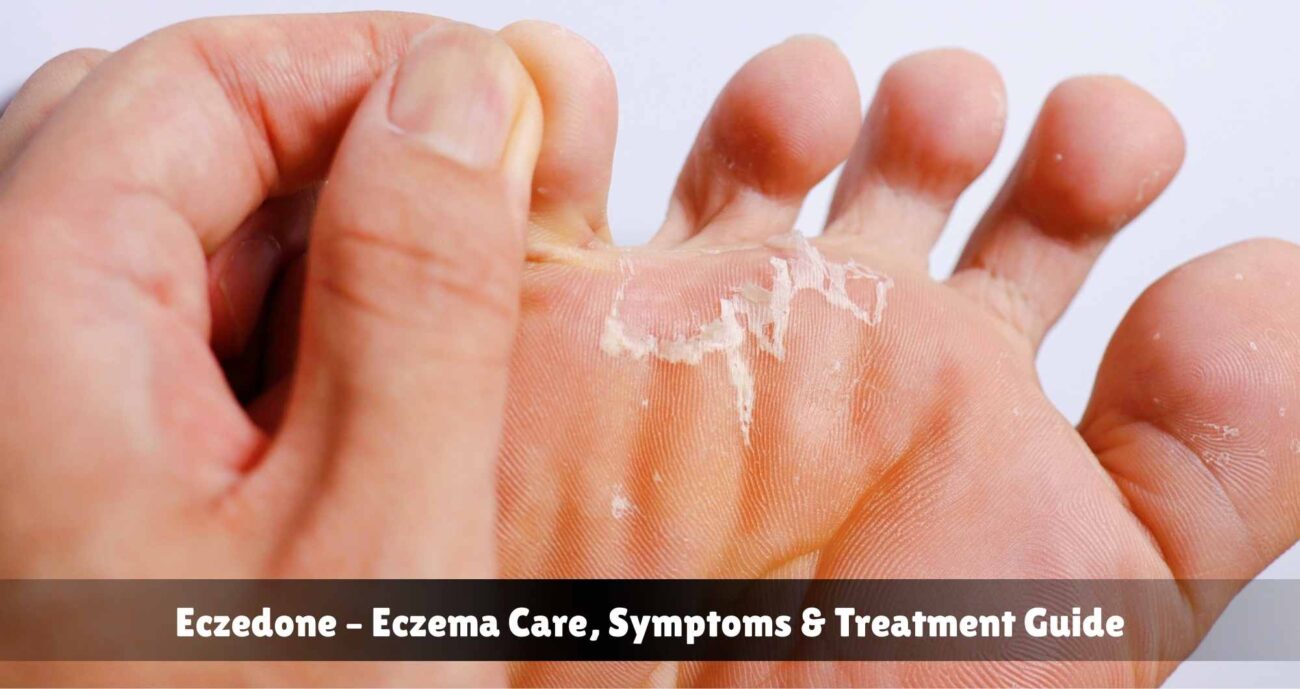
Eczema can be a frustrating and uncomfortable condition, affecting millions of people worldwide. Characterized by dry, itchy skin and inflammation, it often feels like an ongoing battle. Whether you’re dealing with mild irritation or severe flare-ups, understanding eczema is the first step in finding relief. This comprehensive guide will help you navigate through the maze of symptoms, types, causes, and treatment options available today.
At the heart of our discussion lies Eczedone—a term that encompasses effective care strategies for managing this skin condition. From natural remedies to tailored skincare routines specifically designed for eczema-prone skin, we aim to empower you with knowledge that promotes healthier living. Let’s dive deeper into what eczema is all about and explore how you can manage it effectively!
What Is Eczema?
Eczema, also known as atopic dermatitis, is a chronic skin condition that causes inflammation and irritation. It often appears as red, itchy patches on the skin and can occur anywhere on the body. While it’s most common in children, adults can also experience flare-ups.
The severity of eczema varies from person to person. Some may have mild symptoms that come and go, while others face persistent discomfort requiring ongoing management. The itching associated with eczema can be intense, leading to scratching that exacerbates the condition.
Eczema is not contagious; rather, it’s believed to stem from a combination of genetic and environmental factors. Individuals with a family history of allergies or asthma are more likely to develop this condition themselves.
It often coexists with other allergic conditions like hay fever or asthma. This interconnectedness makes understanding your specific triggers crucial for effective management strategies tailored to your unique needs.
Common Symptoms of Eczema
Eczema, a chronic skin condition, presents various symptoms that can vary from person to person. Generally, affected areas show red or brownish-gray patches on the skin. These patches are often itchy and may lead to discomfort during daily activities.
The itchiness associated with eczema can be intense. It frequently worsens at night, disturbing sleep and affecting overall well-being. Scratching these areas might provide temporary relief but can worsen irritation and lead to potential infections.
Dryness is another hallmark symptom of eczema-prone skin. The lack of moisture causes the skin barrier to weaken, making it more susceptible to irritants and allergens. This dryness often results in flaky or scaly areas that further aggravate the itching sensation.
In severe cases, blisters may form on the rash-affected regions. When these blisters break open, they may ooze fluid and crust over as they heal. This cycle can significantly impact quality of life for those living with this challenging condition.
Different Types of Eczema
Eczema isn’t a one-size-fits-all condition. There are several types, each with unique characteristics and triggers. Atopic dermatitis is the most common form, often starting in childhood and linked to other allergic conditions like asthma or hay fever. It presents as red, itchy patches that can become inflamed.
Contact dermatitis occurs when the skin reacts to specific allergens or irritants. This type can be caused by substances like soaps, detergents, or metals. Symptoms usually include redness and itching at the site of contact.
Dyshidrotic eczema primarily affects the hands and feet. Small blisters appear on the fingers or soles of your feet and may cause intense itching or burning sensations. Stress and seasonal allergies are common triggers for this type.
Nummular eczema appears as coin-shaped patches on various body parts, often triggered by dry skin. While it can affect anyone, it’s more prevalent in middle-aged adults during colder months when skin tends to lose moisture faster.
Causes and Risk Factors
Eczema, or atopic dermatitis, can stem from various causes and risk factors that contribute to its development. Genetic predisposition plays a significant role; if eczema runs in your family, you may be more likely to experience it yourself. This hereditary link suggests that specific genes related to skin barrier function could influence the condition.
Environmental triggers also play a crucial part. Factors such as pollution, allergens like pollen or pet dander, and harsh weather conditions can worsen symptoms. Frequent exposure to irritants found in soaps and detergents may further exacerbate the skin’s sensitivity.
Additionally, individuals with other allergic conditions like asthma or hay fever are at an increased risk of developing eczema. The connection between these allergies highlights a larger issue concerning immune system responses.
Stress is another contributing factor that many people overlook. Emotional stress can trigger flare-ups and lead to discomfort for those already dealing with this chronic condition. Understanding these elements aids in managing eczema effectively.
How Eczema Is Diagnosed
Diagnosing eczema typically begins with a thorough medical history and physical examination. A healthcare provider will ask about your symptoms, including when they started and any potential triggers you’ve noticed over time. This conversation helps create a clearer picture of your condition.
Next, the doctor will examine the affected skin areas for characteristic signs of eczema such as redness, dryness, or swelling. They may look closely at how extensive the rash is and whether it appears in common areas like creases of the elbows or behind the knees.
In some cases, additional tests might be necessary to rule out other skin conditions that can mimic eczema’s symptoms. These could include patch testing for allergies if contact dermatitis is suspected.
It’s essential to share any family history of allergic diseases since genetics can play a role in developing eczema. Once diagnosed, appropriate treatment options tailored to your specific case can be discussed more effectively with your healthcare provider.
Treatment Options for Eczema
Treatment for eczema often depends on its severity and the specific needs of each individual. Topical corticosteroids are commonly prescribed to reduce inflammation and relieve itching. These creams or ointments can effectively manage flare-ups but should be used under medical guidance to avoid side effects.
In addition to steroids, non-steroidal topical medications such as calcineurin inhibitors are available. They help control symptoms without the risks associated with long-term steroid use. For more severe cases, phototherapy may be recommended. This involves exposing the skin to controlled amounts of natural sunlight or artificial UV light.
Oral medications like antihistamines can also help alleviate itchiness, particularly at night when scratching tends to worsen symptoms. In some situations, immunosuppressive drugs may be necessary for individuals with persistent eczema that does not respond well to other treatments.
Moisturizers play a vital role in managing eczema by keeping the skin hydrated and protecting it from irritants. Regular application is crucial in maintaining skin barrier function and preventing future flare-ups.
Natural Remedies and Lifestyle Tips
Natural remedies can be highly beneficial for managing eczema symptoms. Aloe vera is a popular choice, known for its soothing properties. Applying pure aloe gel to affected areas may help reduce inflammation and provide relief from itching.
Another effective remedy is coconut oil, which acts as a moisturizer and has antimicrobial properties. Regular application can lock in moisture while protecting the skin barrier from irritants.
Incorporating omega-3 fatty acids into your diet might also support skin health. Foods like flaxseeds, walnuts, and fatty fish are excellent sources that may reduce inflammation associated with eczema flare-ups.
Lifestyle adjustments play a crucial role in managing eczema too. Keeping stress levels low through practices like yoga or meditation can significantly impact symptom management. Additionally, staying hydrated by drinking plenty of water supports overall skin health and helps maintain moisture balance within the body.
Skincare Routine for Eczema-Prone Skin
Creating a skincare routine for eczema-prone skin is essential to manage symptoms and prevent flare-ups. Start with gentle, fragrance-free cleansers that do not strip the skin of its natural oils. Look for products labeled as hypoallergenic to minimize irritation.
After cleansing, apply a moisturizer immediately while your skin is still damp. This helps lock in moisture and creates a protective barrier against irritants. Choose thick creams or ointments containing ingredients like ceramides or hyaluronic acid, which are known for their hydrating properties.
Exfoliating can be beneficial but should be done cautiously. Use mild exfoliators once a week to remove dead skin cells without causing further irritation. Avoid harsh scrubs; instead, consider chemical exfoliants formulated specifically for sensitive skin.
Always protect your skin from environmental factors by using sunscreen daily if you will be outdoors. Ultraviolet rays can exacerbate eczema symptoms, so choose a broad-spectrum sunscreen that’s also suitable for sensitive skin types to ensure safety and comfort.
Triggers to Avoid
Eczema triggers can vary from person to person, making it crucial to identify what may exacerbate your condition. Common irritants include harsh soaps and detergents. These products often contain chemicals that strip the skin of its natural oils, leading to dryness and irritation.
Weather changes can also play a significant role in flare-ups. Cold air or excessive humidity can aggravate sensitive skin. It’s important to protect your skin from extreme weather by using appropriate clothing and moisturizers.
Certain fabrics, particularly wool and synthetic materials, may cause discomfort for those with eczema. Opting for soft, breathable fabrics like cotton can help minimize irritation while keeping you comfortable throughout the day.
Stress is another common trigger that shouldn’t be overlooked. Stress management techniques such as mindfulness meditation or light exercise can make a difference in managing eczema symptoms effectively. Recognizing these triggers is essential for effective eczema care and maintaining healthier skin.
Eczema in Children vs Adults
Eczema can affect individuals of all ages, but its manifestation varies between children and adults. In children, eczema often appears as red, itchy patches on the face, scalp, and other areas prone to moisture retention. This early form is usually linked to genetic factors and may improve with age.
Adult eczema tends to be more localized. It commonly affects the hands, feet, or inside the elbows and knees. Adults may also experience thicker skin in affected areas due to prolonged scratching or irritation over time. Stress is a significant trigger for adult flare-ups.
The psychological impact of eczema differs too. Children may struggle with social interactions because of visible symptoms. Conversely, adults might face workplace challenges or self-esteem issues related to their condition.
Managing eczema requires tailored approaches for both demographics. While treatments like moisturizers are universal, specific therapies might differ based on age-related skin characteristics and emotional needs.
When to See a Doctor
If you suspect that you have eczema, observing how your skin responds is crucial. Mild cases may be manageable with over-the-counter treatments and self-care strategies. However, if symptoms persist or worsen despite your efforts, it’s time to consult a healthcare professional.
Seek immediate medical attention if your skin becomes infected. Signs of infection include increased redness, swelling, warmth, or oozing from the affected area. An urgent response can help prevent further complications and promote faster healing.
Children experiencing severe itching or discomfort should also see a doctor promptly. Eczema can significantly affect their quality of life and emotional well-being. A pediatric dermatologist might provide specialized care tailored for young patients.
Don’t hesitate to reach out if you’re uncertain about managing flare-ups or need guidance on effective treatment options like Eczedone products specifically designed for eczema relief. Professional advice ensures you receive the best possible care for your unique situation.
Frequently Asked Questions About Eczema
Eczema raises many questions for those affected. One common inquiry is whether eczema is contagious. The answer is no; it cannot be spread from person to person. It’s a chronic condition related to genetics, environment, and immune system responses.
People often wonder about the age at which eczema appears. While it can develop at any age, most cases emerge in early childhood. Many children outgrow their symptoms, but some may continue to experience flare-ups into adulthood.
Another frequent question revolves around diet’s role in managing eczema. Certain foods can trigger flare-ups for some individuals, such as dairy or nuts. Keeping a food diary may help identify personal triggers and guide dietary changes.
Many seek clarification on the difference between eczema and psoriasis. Though they share similar symptoms like redness and itching, they are distinct conditions requiring different treatment approaches tailored to individual needs.
Final Thoughts on Managing Eczema
Managing eczema effectively requires a comprehensive approach. Understanding the condition is crucial for both patients and caregivers. Eczema, though often chronic, can be controlled with the right strategies.
Implementing a personalized skincare routine is key to minimizing flare-ups. Products should focus on hydration and barrier protection while avoiding harsh chemicals that may trigger irritation.
Staying informed about potential triggers—such as allergens or irritants—is essential. Keeping a diary of symptoms can help identify patterns and inform treatment choices. For many, adopting natural remedies alongside prescribed treatments can offer additional relief.
Regular consultations with healthcare providers ensure that management plans are adjusted as necessary, especially in cases where symptoms evolve over time.
With dedication to self-care practices and awareness of one’s body, managing eczema becomes more manageable. It’s possible to reduce its impact on daily life significantly through diligence and the support of medical professionals like those associated with Eczedone products designed specifically for effective care.
