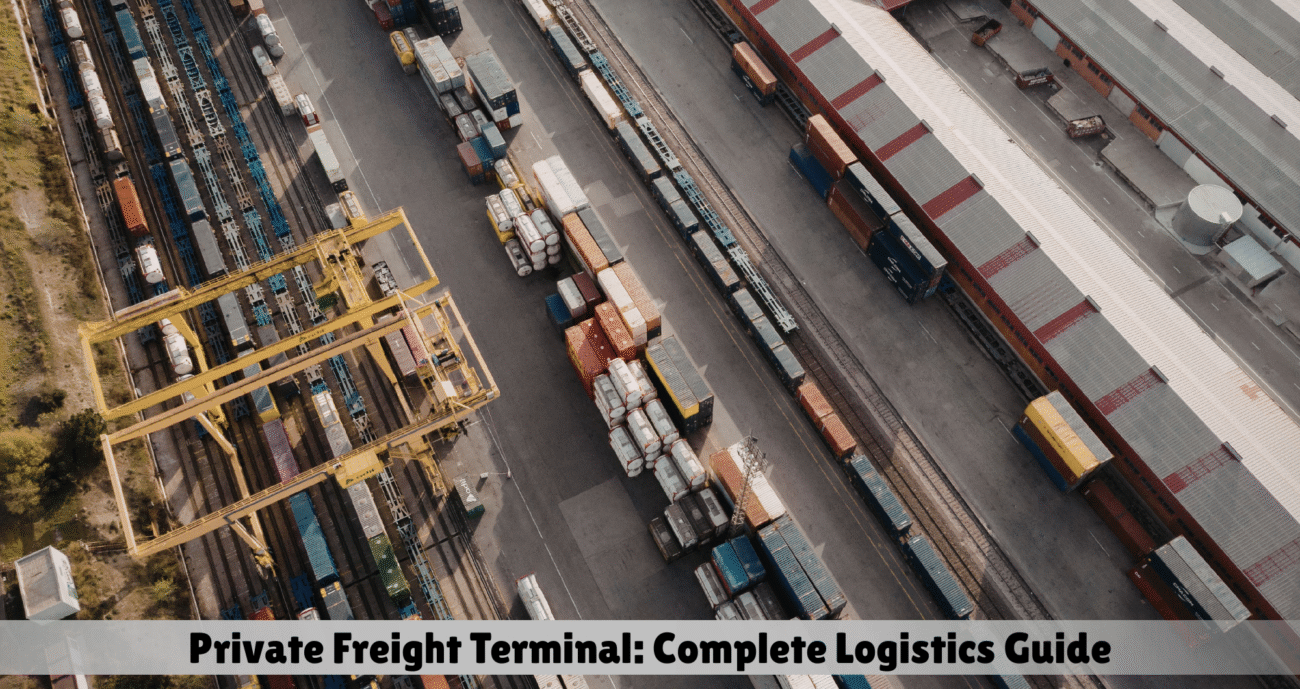
In the fast-paced world of logistics, efficiency and control are paramount. Enter the private freight terminal—a dedicated hub tailored to meet a business’s unique transportation needs. Unlike public terminals, these facilities offer companies greater flexibility and streamlined operations, making them an essential part of modern supply chains.
As industries evolve and demand for customized solutions grows, understanding private freight terminals becomes crucial. Whether you’re a manufacturer needing reliable shipping routes or a retailer looking to optimize distribution, knowing how these terminals work can unlock new possibilities for your business.
This guide dives deep into the intricacies of private freight terminals—from their infrastructure requirements to their impact on supply chain efficiency. Get ready to explore how this powerful tool can enhance your logistics strategy and propel your company forward in today’s competitive landscape.
What Is a Private Freight Terminal?
A private freight terminal is a dedicated facility that businesses use for their logistics and shipping operations. Unlike public terminals, which are open to various carriers and companies, these terminals serve specific enterprises. This exclusivity allows companies to tailor the space to their unique needs.
Private freight terminals typically handle cargo transportation by road or rail. They can accommodate various types of goods, ranging from raw materials to finished products. With specialized loading docks and storage facilities, they streamline the process of moving items in and out efficiently.
These terminals often feature advanced technology for tracking shipments and managing inventory. Businesses can monitor every aspect of their logistics operations in real-time, enhancing overall control over supply chains. The design also supports quicker turnaround times compared to public facilities.
Moreover, having a private terminal enables greater flexibility in scheduling shipments without competing with other users’ timelines. This level of customization makes it easier for businesses to scale operations according to demand fluctuations while maintaining high service levels.
How a Private Freight Terminal Works in Modern Logistics
A private freight terminal serves as a dedicated hub for companies to manage their logistics operations efficiently. It facilitates the loading and unloading of cargo from various modes of transportation, such as trucks, trains, and ships. This streamlined process helps businesses maintain better control over their supply chains.
At a private freight terminal, goods are received directly from suppliers or manufacturers. The terminal’s staff sorts these items based on destination and shipping method. Advanced tracking systems often monitor each shipment’s progress in real-time, enhancing visibility throughout the logistics chain.
Efficient storage solutions play a crucial role at these terminals. Warehouses within the facility can accommodate varying types of cargo—from bulk materials to specialized products—ensuring that everything is organized and easily accessible when needed.
Additionally, technology integration is essential for smooth operations at a private freight terminal. Automated inventory management systems help optimize space usage while minimizing errors in order fulfillment. This focus on modern technologies and processes allows businesses to respond quickly to market demands while reducing operational costs.
Key Infrastructure Required for a Private Freight Terminal
A private freight terminal requires specific infrastructure to operate efficiently. First and foremost, adequate land is essential for the terminal’s layout. This includes space for loading docks, storage areas, and maneuvering lanes for trucks and rail cars. The design should facilitate smooth operations while maximizing throughput.
Next, transportation access plays a critical role in connecting the terminal with major highways or railway networks. Well-planned entrances and exits can significantly reduce congestion and enhance logistical efficiency. Proximity to key transport routes enables quicker turnaround times for shipments.
Another vital component is warehousing facilities equipped with modern technology like inventory management systems. These spaces ensure that goods are stored securely while maintaining easy accessibility. Advanced tracking systems help monitor stock levels in real time.
Appropriate handling equipment such as cranes, forklifts, and conveyor belts must be available to streamline cargo movement within the terminal. Investing in state-of-the-art machinery reduces manual labor costs and improves safety standards on-site.
Benefits of a Private Freight Terminal for Businesses
A private freight terminal offers several advantages that can significantly enhance a business’s logistics operations. By having dedicated infrastructure, companies gain better control over their shipping and receiving processes. This leads to increased efficiency as businesses can schedule shipments based on their specific needs rather than relying on public terminals’ availability.
Cost savings are another crucial benefit. Companies often reduce transportation expenses by minimizing handling fees associated with using public terminals. Furthermore, with direct access to transport networks, businesses can lower fuel costs and optimize routes, leading to overall operational savings.
Enhanced security is also a noteworthy advantage of private freight terminals. Businesses have the flexibility to implement tailored security measures suitable for their unique requirements. This added layer of protection helps in safeguarding valuable assets while ensuring compliance with industry regulations.
A private freight terminal fosters improved customer service through faster turnaround times and personalized logistics solutions. With streamlined operations, businesses can respond swiftly to client demands and deliver products more reliably—ultimately enhancing satisfaction levels among customers.
Private Freight Terminal vs Public Freight Terminal: Key Differences
Private freight terminals are facilities owned and operated by specific companies or organizations. They cater exclusively to the needs of that entity, allowing for tailored services and operations designed to meet unique logistics requirements. This exclusivity often leads to improved efficiency and quicker turnaround times.
In contrast, public freight terminals are managed by government authorities or third-party operators. These facilities serve multiple businesses, providing shared resources among various users. While this can reduce costs for individual companies, it may also lead to longer wait times due to higher traffic volumes.
Another key difference lies in capacity management. Private terminals typically have more control over scheduling and space allocation, which allows them to optimize cargo handling according to their specific demands. Public terminals must balance the needs of numerous clients, making flexibility a challenge.
Investment levels differ significantly between the two types of terminals. Establishing a private terminal requires substantial upfront capital from the owning company but offers long-term benefits such as reduced operational costs and enhanced service quality compared with shared public options.
Steps to Establish a Private Freight Terminal
Establishing a private freight terminal involves several critical steps. First, comprehensive planning is essential. This includes assessing the specific logistical needs of your business and determining suitable locations that align with transportation networks. Engaging stakeholders early in the process can help gather insights and support for your project.
Next, you’ll need to conduct thorough feasibility studies. Analyzing factors like land availability, zoning regulations, and environmental impacts will provide clarity on whether the project can proceed smoothly. It’s also beneficial to evaluate potential operational efficiencies that may be gained from having a dedicated facility.
Once you secure the location, focus shifts to infrastructure development. This phase involves constructing loading docks, storage facilities, access roads, and other necessary amenities tailored to your operations. Partnering with experienced contractors ensures that everything meets industry standards.
Obtaining permits and licenses is crucial before commencing operations at the terminal. Familiarize yourself with local government policies regarding freight terminals to ensure compliance throughout development stages. Securing all required approvals sets a solid foundation for successful operation down the line.
Cost Factors Involved in Developing a Private Freight Terminal
Developing a private freight terminal involves several cost factors that can vary significantly based on location, size, and infrastructure requirements. One of the primary expenses is land acquisition. Securing adequate space near transportation networks like highways or railways is crucial but often costly.
Next comes construction costs, which encompass everything from building warehouses to loading docks and office spaces. These structures must meet industry standards for safety and efficiency. Investing in modern technology for inventory management systems or automated processes can further increase initial outlays but may yield long-term savings.
Operational costs are another critical factor to consider. This includes hiring skilled personnel for logistics management, maintenance staff, and support roles necessary for smooth operations. Additionally, utility expenses such as electricity, water supply, waste management, and insurance should be factored into ongoing budgets.
Regulatory compliance presents its own set of financial implications. Obtaining permits and adhering to environmental regulations not only takes time but also requires funds dedicated to meeting these legal obligations throughout the development process.
Role of a Private Freight Terminal in Supply Chain Efficiency
A private freight terminal plays a critical role in enhancing supply chain efficiency. By providing dedicated facilities for loading and unloading cargo, these terminals streamline the movement of goods between suppliers and consumers. Businesses can manage their logistics operations more effectively by reducing transit times and minimizing bottlenecks.
With greater control over transportation schedules, companies using private freight terminals can optimize inventory levels. This allows them to respond swiftly to market demands without incurring high storage costs or stockouts. Predictable delivery timelines contribute to stronger relationships with customers who expect timely shipments.
Moreover, a private freight terminal enables businesses to consolidate shipments, which reduces shipping costs per unit. Bulk handling of goods results in economies of scale that improve profitability for companies involved in high-volume distribution.
The strategic location of a private freight terminal further enhances its impact on supply chain efficiency. Proximity to key markets, suppliers, or manufacturing hubs ensures faster access to resources while reducing overall transportation emissions—an increasingly important consideration for modern logistics practices.
Government Policies and Regulations for Private Freight Terminal Development
Government policies and regulations play a crucial role in the development of private freight terminals. These guidelines help establish standards for safety, security, and environmental protection. Compliance with these regulations is essential not only for legal operation but also to maintain community trust.
Zoning laws are among the first considerations when establishing a private freight terminal. Local governments often require specific zoning classifications for industrial developments, impacting where businesses can set up operations. This ensures that terminals are located away from residential areas or sensitive environments.
Moreover, permits related to land use, construction, and operational licenses are necessary steps in the process. Each jurisdiction has its own regulatory framework; therefore, understanding local requirements is vital to avoid delays or penalties during development.
Environmental assessments may be mandated as part of the permitting process. Businesses must demonstrate how they will mitigate any potential negative impacts on air quality, water sources, or surrounding ecosystems. Adhering to these policies not only fulfills legal obligations but also helps foster sustainable logistics practices within communities.
Industries That Benefit Most from a Private Freight Terminal
Private freight terminals are invaluable for several industries that rely on efficient logistics. Manufacturing companies, for instance, benefit significantly from having direct access to transportation networks. This allows them to move raw materials in and finished products out without delays.
The agricultural sector also thrives with private freight terminals. With the need to transport perishable goods quickly, having a dedicated terminal streamlines operations, ensuring freshness reaches markets faster than ever before.
Retail businesses enjoy enhanced supply chain management when they utilize private freight terminals. These facilities enable retailers to maintain optimal inventory levels by facilitating faster replenishment of stock and reducing lead times.
The automotive industry stands out as a major beneficiary of private freight terminals. The complex logistics involved in sourcing parts globally requires precision timing and efficiency—qualities that a private terminal can provide effectively. By minimizing transit times between suppliers and manufacturers, these terminals help keep production lines moving smoothly.
Challenges in Operating a Private Freight Terminal
Operating a private freight terminal comes with its own unique set of challenges. One of the primary issues is the substantial capital investment required for infrastructure development and maintenance. Businesses must weigh the costs against potential returns, which can be daunting.
Another challenge lies in ensuring compliance with government regulations. Private freight terminals must adhere to various local, state, and federal guidelines regarding safety, environmental impact, and operational standards. Navigating these regulations can be complex and time-consuming.
Labor management also poses difficulties. Finding skilled workers who understand logistics and operations specific to a private freight terminal is essential yet often challenging. Training programs may need to be developed to ensure that staff members are adequately prepared for their roles.
Managing technology integration can prove complicated as well. With rapid advancements in logistics technology—like automation and tracking systems—keeping up-to-date can be overwhelming for operators looking to maintain efficiency while minimizing delays or errors. Balancing innovation with practical application remains an ongoing struggle in this sector.
Future Trends Shaping the Private Freight Terminal Industry
The landscape of private freight terminals is evolving rapidly, influenced by technological advancements and changing market demands. Automation is at the forefront, with many terminals implementing robotic systems for loading and unloading cargo. This not only speeds up operations but also minimizes human error.
Sustainability has become a key focus as businesses aim to reduce their carbon footprint. Eco-friendly practices are being adopted in terminal operations, including energy-efficient equipment and waste reduction programs. These initiatives appeal to environmentally conscious consumers and can enhance brand reputation.
Digitalization is transforming logistics management within private freight terminals. Real-time tracking systems provide transparency across supply chains, allowing businesses to monitor shipments accurately. Advanced data analytics tools enhance decision-making processes by predicting demand fluctuations and identifying inefficiencies.
Collaboration among stakeholders is set to increase as companies look for integrated solutions that optimize logistics networks. Shared facilities may emerge where multiple businesses combine resources for cost-efficiency while maintaining operational flexibility.
As e-commerce continues its upward trajectory, private freight terminals will adapt to meet the growing need for rapid delivery services. Facilities may evolve into multi-modal hubs that facilitate seamless transitions between road, rail, air, and sea transport.
These trends indicate a dynamic future for the private freight terminal industry, emphasizing efficiency, sustainability, technology integration, and collaborative strategies that cater to modern logistical challenges.
